Ordre Panneggien
Inspired by the three Greek architectural orders (Doric, Ionic and Corinthian), this collection studies the surreal remains of a fourth: the Ordre Panneggien.
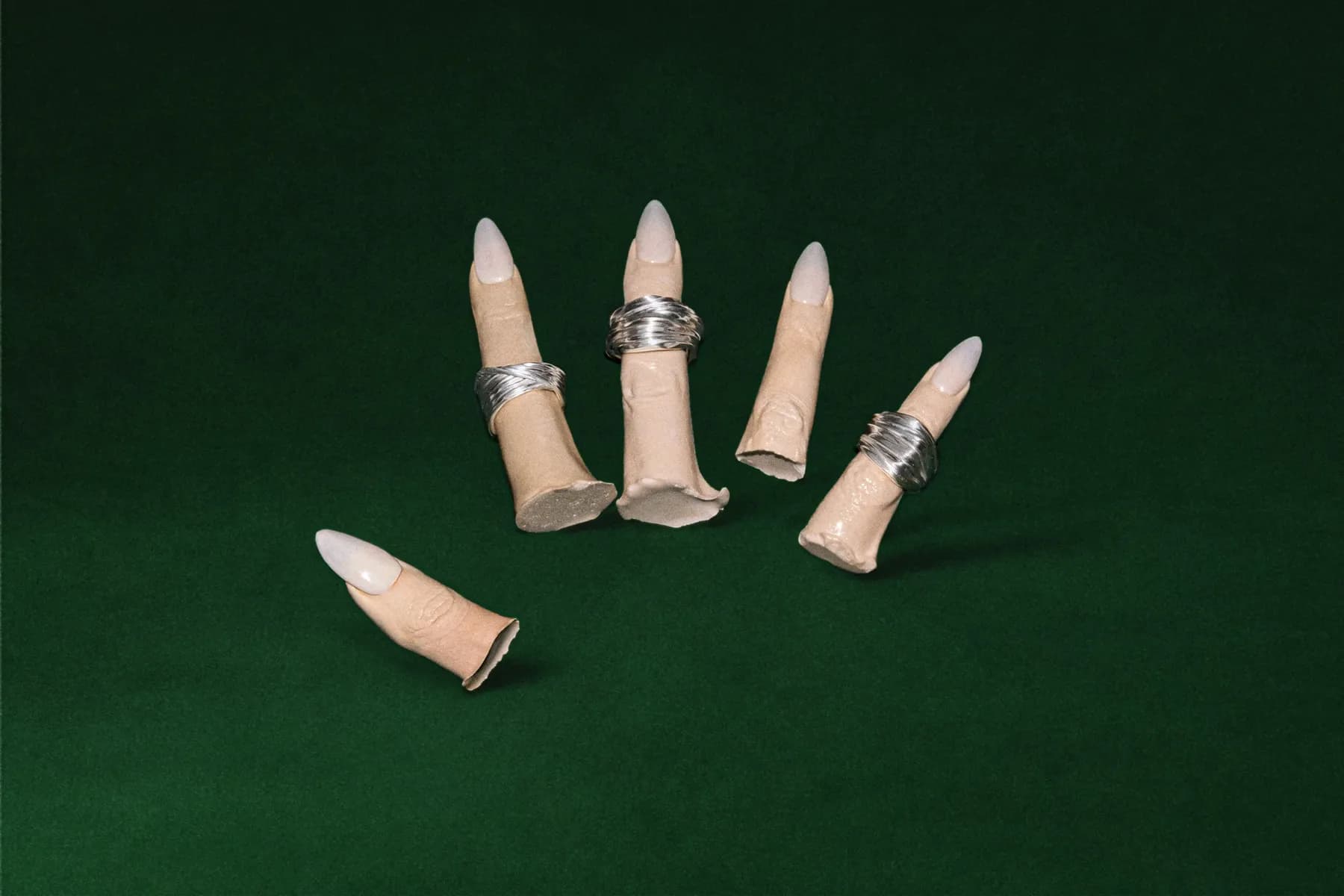

Like the ancient orders, the Ordre Panneggien draws on the characteristic fluting of columns, developing it through the language of the temple, particularly the drapery of carved marble. Columns and drapery come together to form objects with precise fluting and an appearance of softness.
 View model OP006
 View model OP001
According to tradition, Phidias, the celebrated Greek sculptor and father of marble drapery, used the technique of panneggio bagnato — a wet cloth pressed onto his sculptures — to make them more realistic and lifelike. Echoing this process, a fluting press was designed especially for this collection. Softened in hot water, the fluted wax is pressed around a finger like a wet cloth, giving the jewellery its final shape. This new technique gave the Ordre Panneggien its name.
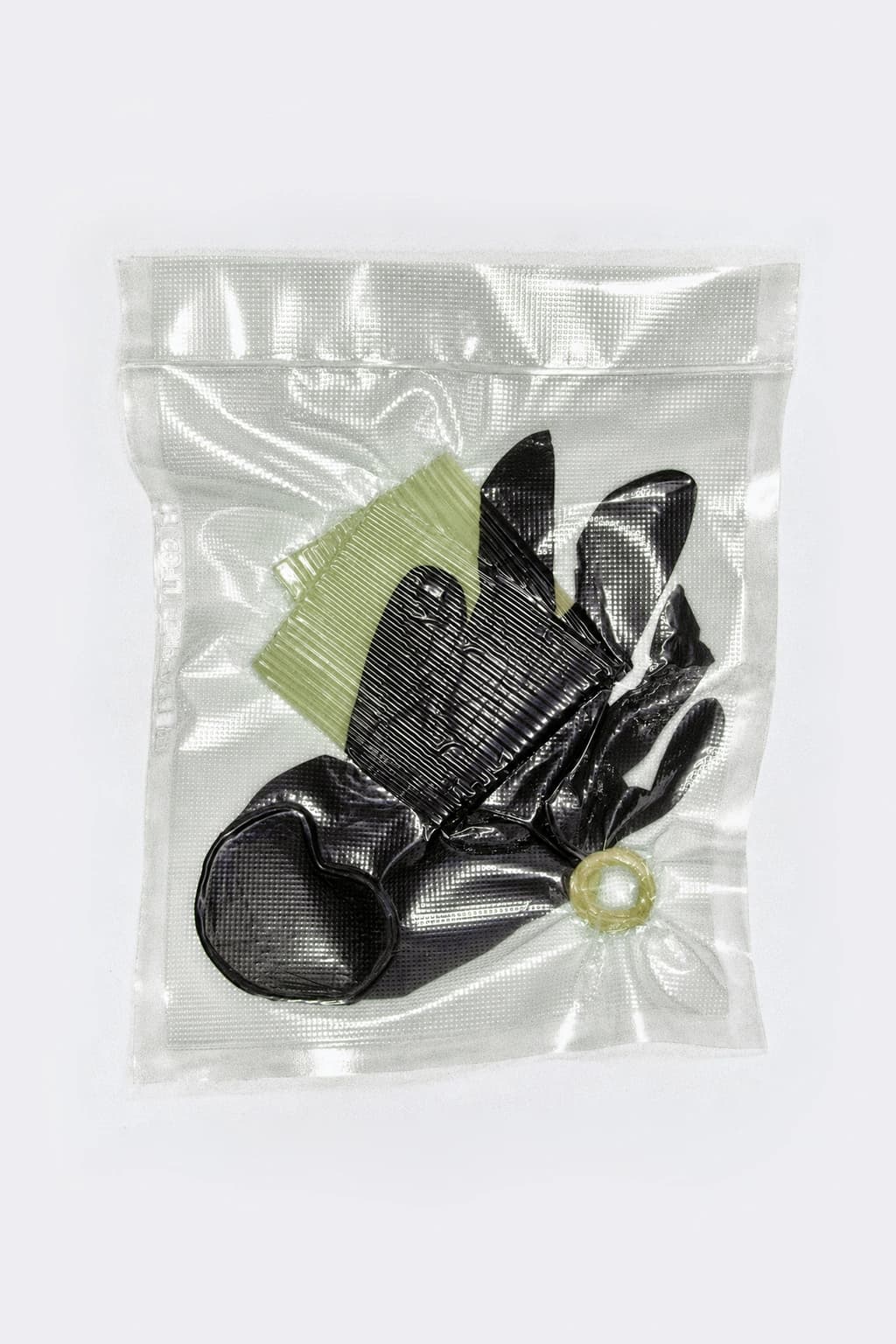
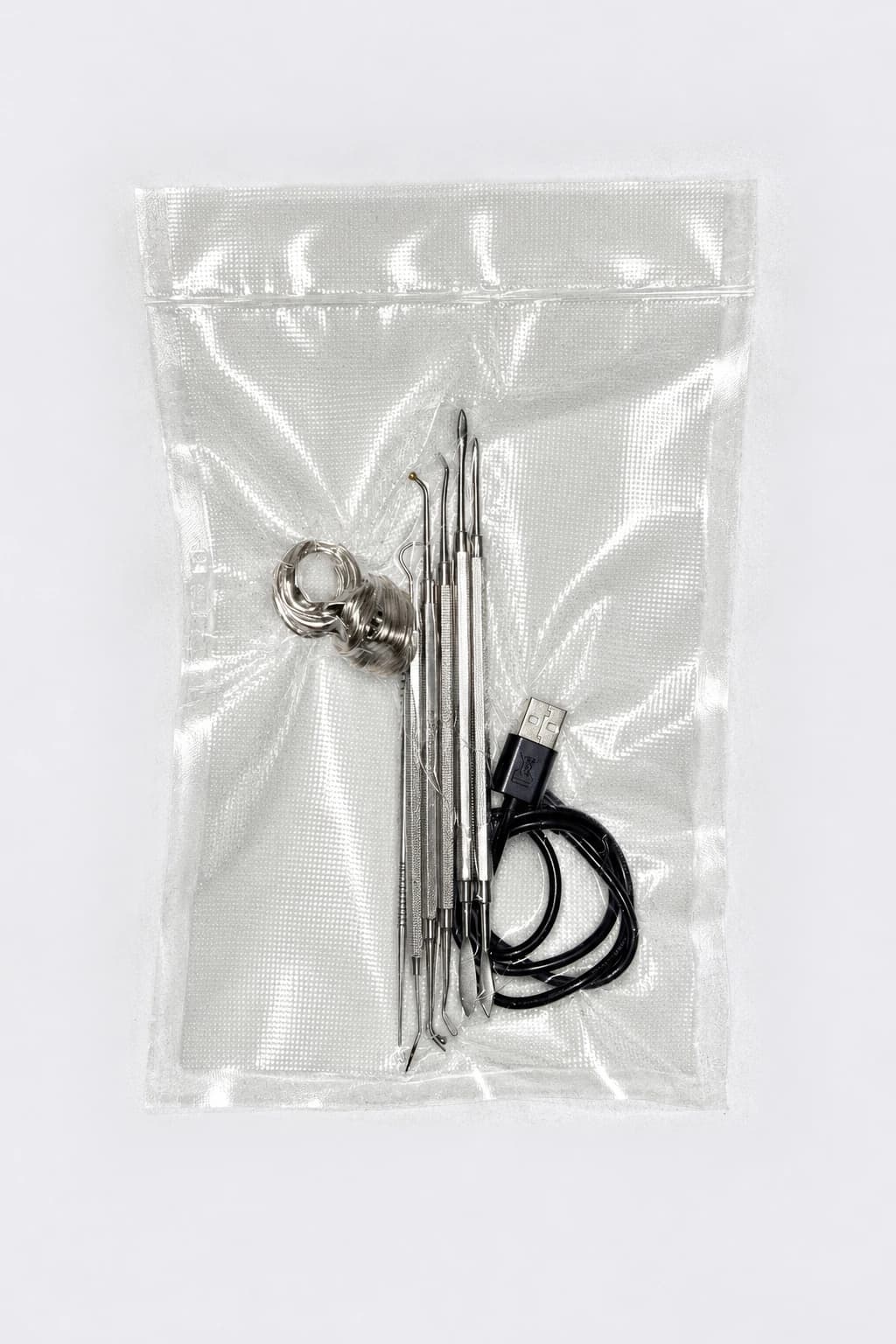
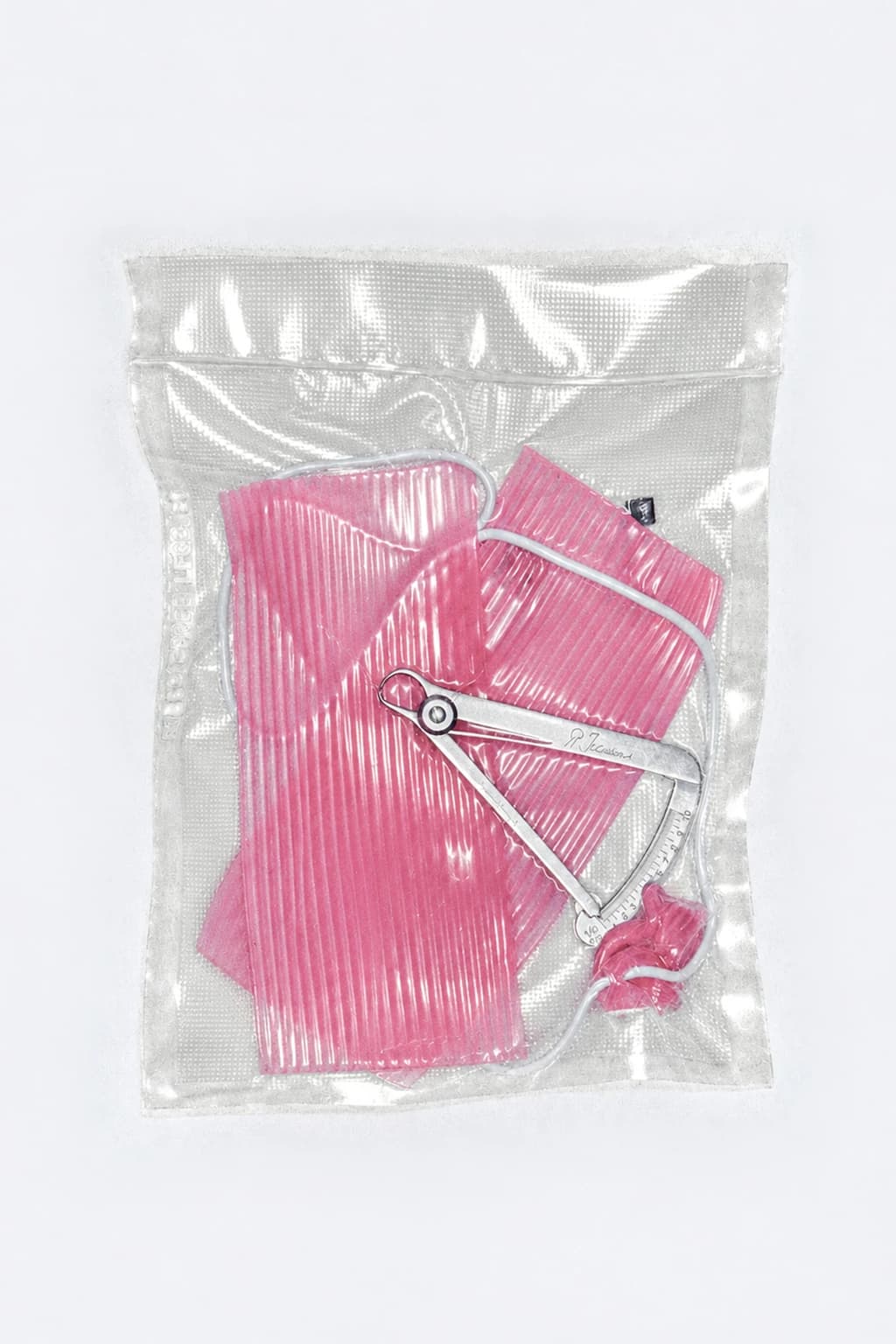

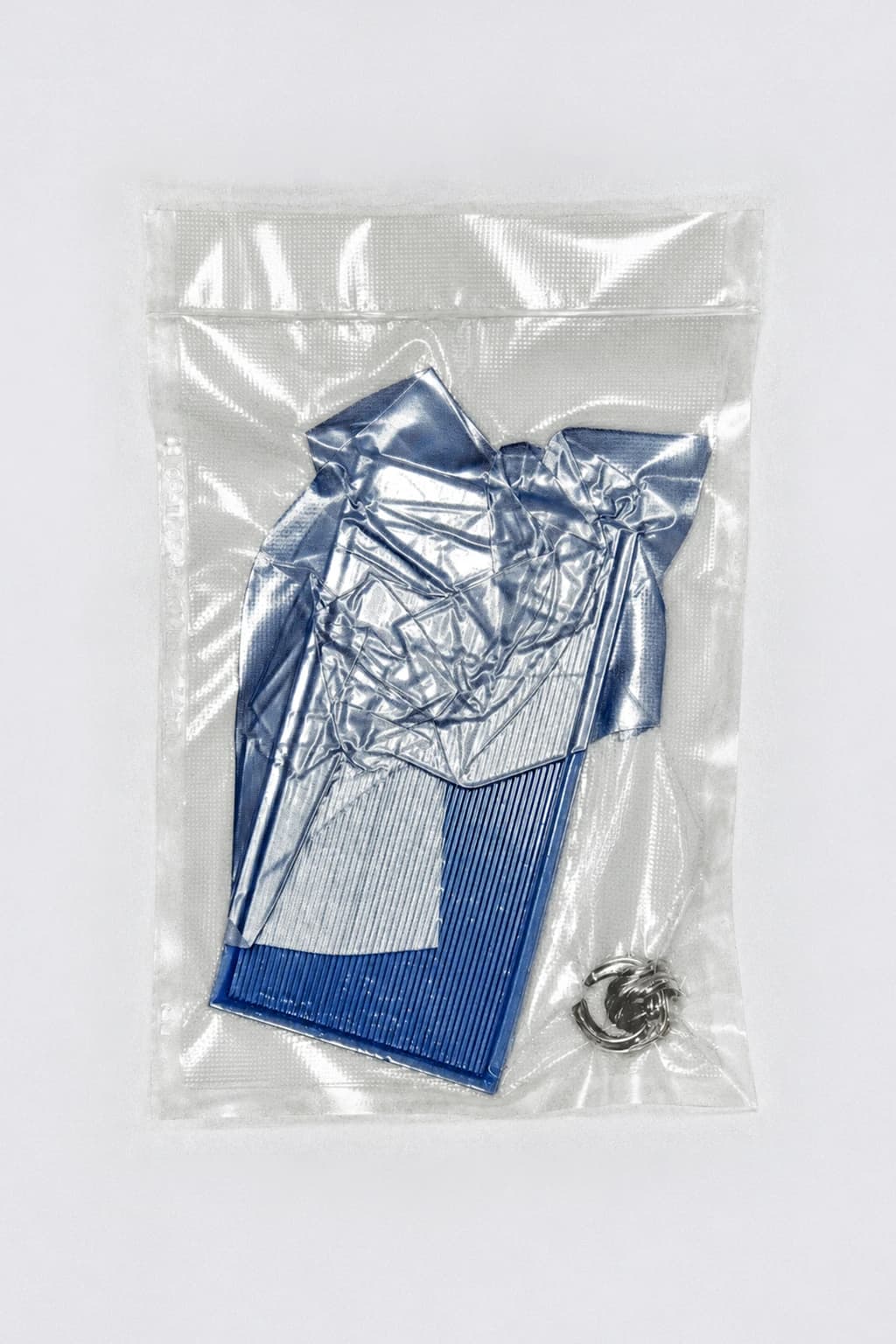
As a result of this handmade process, it is impossible to create a range of different sizes for the same design. Each piece is therefore shaped entirely by hand, in a single adjustable size, moulded and then cast in 950 silver using the lost-wax technique. The deliberately light and imperfect polishing preserves traces of the process rather than removing them through an overly invasive finish. These irregularities give each piece its individual character.
 View the collection
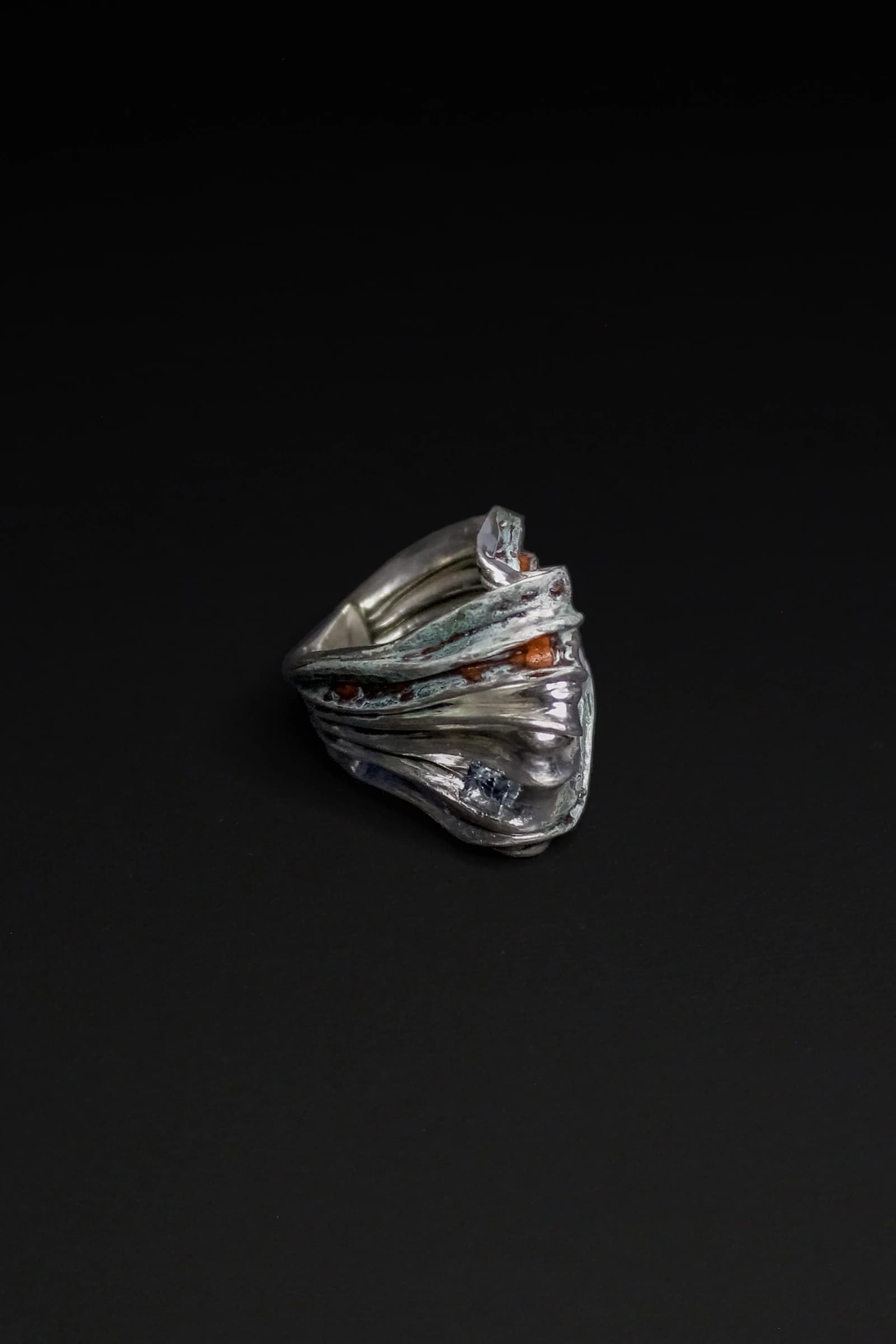
This study led to an evolving series of one-of-a-kind pieces. Adorned with coloured stones and chipped enamel, they recall that the Greek temples we are used to seeing depicted in white were originally painted in varied, vivid colours. These pieces are not moulded, and their shape can never be reproduced identically. New pieces regularly become available in the Lab.
Explore the LabThis study explores the supernatural and the hidden myths of ancient architecture as fields of observation and reinterpretation.